The Psychology of Finding Small Joys: "Happiness Isn't Grand"
"Nurse, you always seem so positive and calm. What's your secret to happiness?"
Whenever I hear this question at work or in personal settings after hours, I usually smile and shake my head. To be honest, I wasn't inherently optimistic or a born happy person from the start. Rather, I was someone who always chased "greater happiness," striving tirelessly. The joy of achieving as a professional, buying a decent home, or attaining a position that others envied—I firmly believed these things would bring me ultimate happiness. So, I always looked straight ahead, running towards my goals, often passing by small joys and precious moments in everyday life without even noticing them. I frequently found myself living a life where I couldn't appreciate the present, vaguely hoping, 'I'll be happy once this tough period passes.'
However, as time went on, and particularly by closely observing the lives of countless patients I encountered, I came to a realization. "Happiness isn't a grand event or a distant goal; it's like the feeling one gets from seeing a wild flower blooming right at one's feet." My reflection in the mirror always showed tension, and I was sometimes disappointed in myself for not being grateful for the little things. Then, one day, I happened to read a book on positive psychology, and I began to keep a gratitude journal. At first, I forced myself to write down at least three things I was grateful for every day, but strangely enough, my perspective gradually began to shift. The morning sunlight I used to take for granted, a warm cup of coffee, a word of encouragement from a colleague... these trivial things started to feel new and significant.
And sometimes, I consciously extended small acts of kindness, smiled at my reflection even during difficult moments, and took the time to savor a cup of tea purely for myself. As these small practices accumulated, my heart grew much stronger and warmer without me even realizing it. It felt like my emotional muscles had been trained, somehow. Now, I find that the periods of maintaining a calm and grateful heart, even without major events, have become longer.
This isn't just my experience alone. To many who tirelessly chase after "happiness," the one truth I want to convey is this: "Happiness isn't grand." Instead, joy is hidden within our daily lives, in the most ordinary and smallest moments. Let's borrow wisdom from positive psychology and together find ways to discover these small joys and make them a habit.

Psychological Background: The Power of 'Small Joys' According to Positive Psychology
Our brains are fundamentally designed to detect danger and react more sensitively to negative stimuli, primarily for survival. Psychologically, this is known as "Negativity Bias." Because of this, we tend to remember and dwell on negative experiences more intensely than positive ones. However, positive psychology understands this human characteristic and is a field that studies how to create a happy life by utilizing human strengths and potential.
Professor Martin Seligman, a pioneering American psychologist and a leading expert in happiness research, revealed that happiness grows more significantly from factors like gratitude, engagement, meaning, and relationships rather than from the fleeting pleasure derived from "hedonic experiences."
He emphasized that 'happiness is a skill, a habit, and it can be trained.' This means that happiness isn't something to wait for grand events to bring, but rather something to cultivate through daily practice. Through various experiments, he demonstrated that positive interventions, such as keeping a gratitude journal, significantly boost feelings of happiness. In fact, research shows that people who wrote gratitude journals for two weeks experienced a decrease in depression scores and a significant increase in life satisfaction.
Psychological Effects of Gratitude Journaling:
- Shift in Perspective & Improvement in Attentional Bias: Consistently keeping a gratitude journal helps us unconsciously notice and appreciate the positive aspects of everyday life more effectively. This steers our attention in a positive direction, leading us to view life more optimistically. It trains us to focus our attention on positive things, counteracting negativity bias.
- Reduction of Negative Thoughts & Enhancement of Happiness: The act of recalling and documenting things we are grateful for diminishes negative thoughts and experiences, significantly lowers symptoms of depression, boosts life satisfaction, enhances gratitude, and ultimately increases overall happiness.
- Improved Relationships & Empathy: Expressing gratitude to others helps strengthen social connections and cultivate empathy. A grateful heart fosters social bonding, which in turn creates a positive feedback loop that enhances happiness.
Psychological Significance of 'Happiness Experiments':
- Acts of Kindness: Altruistic behavior activates the brain's reward system, leading to feelings of happiness. Performing a small act of kindness for someone, like guiding a lost person or pressing the elevator button for a stranger, can evoke a "Helper's High," making both the recipient and the giver feel happier. This creates a positive cycle of emotions.
- Smiling: Simply smiling can trick the brain into believing it's happy, causing it to release endorphins, hormones that induce genuine feelings of happiness. This also helps reduce stress and boost immunity. This phenomenon is known as the "Facial Feedback Hypothesis."
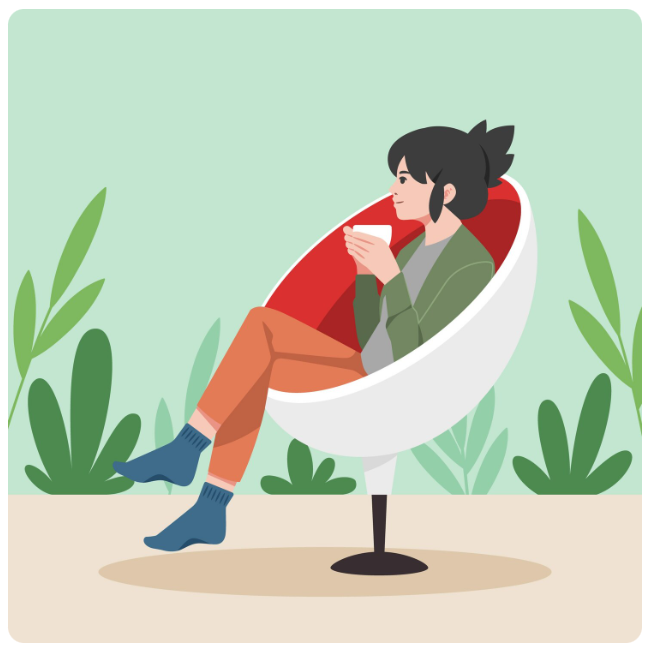
- Mindful Moment (A Cup of Tea): Completely focusing on the present moment while drinking coffee or tea is a significant mindfulness practice. This exercise of engaging all five senses—smell, taste, temperature, the feel of the cup—and staying in the present helps calm the mind and reduce stress. It has the effect of lowering anxiety and improving concentration.
👉 Ultimately, happiness is not something to wait for; it is something we create. It depends on our attitude to 'discover and choose' it within the mundane, small moments already given to us. Positive psychology offers practical methods for cultivating this attitude, scientifically explaining how seemingly small actions can lead to immense happiness.
Practical Tips: Here's How to Cultivate Small Joys!
Here are some small happiness habits you can start right away. Practicing them consistently will surely bring about amazing changes.
- 📝 Start a Gratitude Journal
- Every night before bed, briefly record at least three things you are grateful for. (They don't have to be grand. Look for them in ordinary daily life, such as "a warm cup of coffee," "a compliment from a colleague," "making it home safely from work.")
- Add one or two sentences explaining why you are grateful for each. (For example, "Thanks to the warm coffee aroma this morning, I could start my day feeling good.")
- Consistently practicing at a set time will make it much easier to form a habit. (I recommend 5 minutes each night before sleep!)
- ✨ Conduct a 'Small Acts of Kindness Experiment' in Your Daily Life
- [Small Acts of Kindness] At least once a day, intentionally perform a small act of kindness for someone else. (Holding a door for someone, giving a genuine compliment, offering a warm glance to someone struggling. Altruistic acts often bring greater happiness back to yourself.)
- [Smiling] Look in the mirror and give yourself a warm smile, or consciously smile brightly when you meet people. (Even a fake smile can make your brain believe you're happy! It can also positively shift the atmosphere around you.)
- 😊 Create a Happiness Mini-Ritual (Form Small Routines or Rituals)
- [A Cup of Tea] Prepare a cup of tea purely "for yourself," and in an undisturbed space, engage all your senses to savor it, focusing on the present moment. (This is a mindfulness moment to fully experience the tea's aroma, temperature, taste, and the feel of the cup. You can substitute tea with your favorite drink or food.)
- Listen to one favorite song in the morning.
- Recall "the happiest moment of the day" before going to bed.
Frequently Asked Questions (FAQ)
Q1: I feel burdened when writing a gratitude journal, as if I'm forcing myself to find things to be grateful for, leading to more stress. What should I do?
A1: That's completely normal at first. The question "What should I be grateful for?" can feel overwhelming. At such times, focus on "things you've taken for granted." For example, "waking up safely this morning," "having warm water available," or "having a roof over your head to sleep under." Start with these very trivial things. The important thing is to make the act of searching a habit. You'll gradually discover more as you practice.
Q2: Even after writing a gratitude journal, I often get caught up in negative thoughts. Is it ineffective then?
A2: A gratitude journal isn't magic that eliminates negative thoughts entirely. However, it is a practice that helps reduce the proportion of negative thoughts and discover more positive aspects. It's natural for negative thoughts to still arise, and when they do, try combining this with the "letting go of thoughts" practice you learned in the previous 'Catching Your Breath' installment. By doing both consistently, you'll gradually feel internal changes.
Q3: Will 'small acts of kindness' or 'smiling' truly affect my happiness?
A3: Yes, psychological research clearly shows that "prosocial spending" (giving to others) and "smiling" both enhance happiness. Small acts of kindness strengthen our sense of connection with others, which boosts our social satisfaction and happiness. Smiling also has the effect of improving mood by sending positive feedback from facial muscle movements to the brain. All of these lead to hormonal changes and brain activation, so even if they don't seem grand, give them a try!
Q4: I don't drink tea or coffee. Are there other 'happiness experiments' I can do instead of 'a cup of tea'?
A4: Absolutely! 'A cup of tea' merely symbolizes a 'small ritual focused purely on the present moment.' Find something that suits you. It could be 5 minutes closing your eyes while listening to your favorite music, gazing blankly out the window, or a 10-minute walk in the sunlight, observing your surroundings. Anything that allows you to concentrate solely on 'you' without external interruptions is good. The important thing is the mindfulness of pouring your full five senses and consciousness into that moment.
Q5: In my busy daily life, I worry it will be hard to consistently practice all of this. Is there a way to maintain a happiness routine consistently?
A5: I completely understand. Don't try to do 'everything' perfectly every day. The key is the mindset of practicing even just one 'small happiness' act a day, if possible. Starting with 부담 없는 (easy and non-demanding) actions, like 1 minute of breathing or a 1-line gratitude note, can help you sustain it for longer. Setting a goal of 2-3 times a week initially, and then gradually increasing it, is also a good strategy. Taking a moment to pause, reflect, and appreciate the small things for your precious self will ultimately give you the energy to live your busy life more healthily and vibrantly.
A Word of Comfort for You: "Happiness Is Like a Garden You Discover and Cultivate."
"Happiness doesn't come on its own; it's like a garden you discover and cultivate. Today, too, plant a small but precious seed of happiness in your garden. Those seeds will gather to someday form a lush forest. You are already precious enough and deserving of happiness."
(이 글은 '마음의 숨 고르기 시리즈 3편: 작은 행복 발견하기'의 영어버전 글입니다.)
원본: https://kiheo.tistory.com/130
💖 마음의 숨 고르기 시리즈 3편: 작은 행복 발견하기
작은 행복을 발견하는 심리학: '행복은 거창하지 않다' "간호사님은 늘 그렇게 긍정적이고 여유롭게 보여요. 행복의 비결이 뭔가요?"병원에서 근무하며, 혹은 퇴근 후 개인적인 자리에서 이런 질
kiheo.tistory.com