Self-Compassion: Treating Yourself Like a Friend Instead of Criticizing Yourself
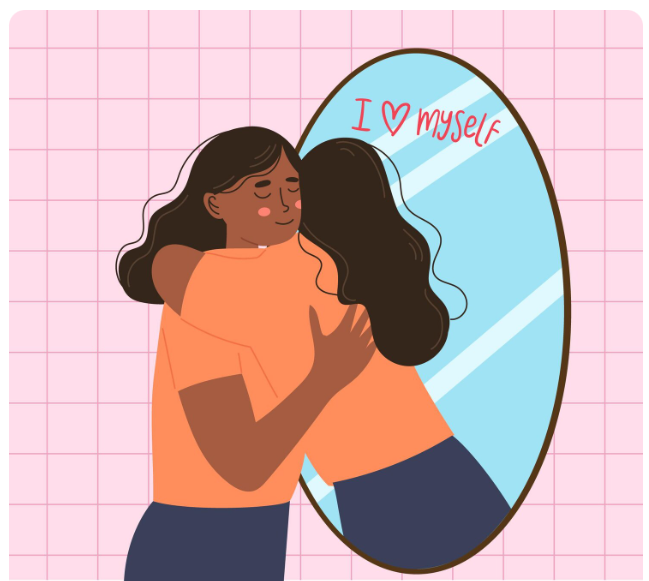
It was one of those days at work when I was on my day shift as a "sub-chop" (assistant to the main nurse), and in my attempt to help the main "chop" nurse, I ended up doing tasks that weren't strictly necessary, causing confusion and being criticized for complicating things by acting without prior consultation. That day, after an intense shift, I came home, looked in the mirror, and muttered to myself without thinking: "I just ended up being criticized again today for trying to help. Why am I always so inadequate?"
The events of the day resurfaced, and I found myself piling on the self-blame. But then, a thought suddenly struck me:
What would I have said if my dearest friend had gone through the same thing? "It's okay, you really did your best today. Anyone can make a mistake. Your effort definitely meant something. You were only trying to help, weren't you?" I would probably have said something like that.
But why, when it came to myself, did I offer such harsh, cynical words instead of comfort? After that day, I started contemplating changing my 'self-talk' method. By internalizing the warm words I wanted to offer myself, I opened a new mental door to 'self-compassion' and began practicing healing self-talk.
Psychological & Neuroscientific Background – The Power of Self-Compassion
Psychologist Kristin Neff defines Self-Compassion as "a mental state of being kind and warm-hearted towards oneself in moments of suffering." It consists of three core components:
- Self-Kindness: Treating oneself with warmth, understanding, and forgiveness instead of harsh self-criticism during moments of failure or suffering.
- Common Humanity: Recognizing that suffering and difficulty are shared human experiences—a sense of connection that "I'm not the only one; everyone makes mistakes."
- Mindfulness: Observing painful emotions with balance, without exaggerating or suppressing them, just as they are.
Research indicates that individuals high in self-compassion maintain lower cortisol (stress hormone) levels even in stressful situations, and their prefrontal cortex (the brain region responsible for emotional regulation) operates more actively. In essence, self-compassion is not just 'comfort for the mind' but psychological immunity that protects both brain and body.
Practical Tips – Training in Warm Self-Talk
Self-compassion is a skill that can be cultivated through practice. Here are three 'self-compassion practices for treating yourself like a friend,' which you can do in just 3 minutes a day.
✅ 1. 'Inner Dialogue' Training
When self-critical thoughts arise, pause the criticism. Instead, write down what you would say to a friend in the same situation.
- Example: When struggling, say to yourself, "That must have been hard, wasn't it? I've been there too. You're doing really well right now." → Then, gently and kindly read these words aloud to yourself.
✅ 2. Create Self-Comforting Affirmation Cards
Write short phrases on cards or sticky notes and place them where you'll see them often.
- Examples: "I did enough today." / "Mistakes are part of learning." / "I am enough as I am." / "I did my best today."
✅ 3. Short Self-Compassion Meditation
Place your hand over your heart, take a few deep breaths, and quietly say to yourself:
- "I'm going through a tough time right now."
- "Even in this moment, I am trying my best."
- "It's okay; I will protect myself."
Frequently Asked Questions (FAQ)
Q1: Is self-compassion different from self-love or narcissism?
A1: Yes, they are different. Narcissism tends to elevate and center oneself in an exceptional way, while self-compassion is an attitude of acknowledging one's own suffering and treating it with warmth and kindness, without judgment.
Q2: What problems can arise from a lack of self-compassion?
A2: A lack of self-compassion is associated with self-criticism, stress, and depression. It can also reduce psychological resilience and life satisfaction.
Q3: What if I find it difficult to practice?
A3: In such moments, start with simple physical comforts, such as placing a hand on your chest or covering yourself with a warm blanket. When your body is relaxed, your mind often follows. These small acts of kindness to yourself may seem minor but can create significant change.
Q4: Is self-compassion related to meditation?
A4: Yes. There are programs that integrate mindfulness meditation to enhance self-compassion, and self-compassion practices are often more effective when combined with meditation.
Q5: How can I encourage self-compassion in my family or friends?
A5: The practice you cultivate for yourself naturally extends to others. Offering warm words like "It's okay, you're doing well" to family or colleagues can deepen relationships. Sharing books, articles, or meditation programs, and talking about your own experiences gently and positively, can also be helpful.
🌿 A Word of Comfort for You: 'Being Your Own Kindest Friend'
"Be your own kindest friend. You are always doing more than enough."
(이 글은 '마음의 숨 고르기 시리즈 4편. 내 마음을 돌보는 대화법'의 영어 버전글입니다.)
원본: https://kiheo.tistory.com/132
🙆마음의 숨 고르기 시리즈 4편. 내 마음을 돌보는 대화법
자기연민(Self-Compassion), 나를 비난하는 대신 친구처럼 대하기인트로 데이 근무 때 서브챱으로 일하면서 챱 간호사의 일을 도와주려다 안해도 되는 일까지 하는 바람에 이중으로 처리되어 오히려
kiheo.tistory.com